Source Modern Oval Dining Chair for Hotel, Home, and Banquet
Explore 30 options for the modern oval dining chair, featuring metal and fabric materials in fixed or rotary styles. Compare specifications for hotel, home, and banquet settings, noting lead times and MOQs to find the right fit for your project.
Key considerations
Products List




Comprehensive Sourcing Guide
Modern Oval Dining Chair Sourcing Guide
Procuring modern oval dining chairs requires balancing aesthetic consistency with structural integrity, as the curved silhouette demands precise joinery to maintain stability under load. Buyers should prioritize suppliers who demonstrate experience with upholstered and metal-framed variants, ensuring the oval shape does not compromise the chair's center of gravity. The observed market data indicates a strong presence of manufacturers in Foshan, China, offering both fixed and rotary options that cater to diverse interior design needs.
When evaluating listings, it is critical to distinguish between custom and non-customized inventory, as this decision significantly impacts lead times and unit economics. The available data shows lead times ranging from 25 to 45 days after deposit, depending on the specific model and customization level. Sourcing teams must align their project timelines with these production windows to avoid delays, particularly when ordering mixed colors or specific fabric finishes for large hospitality contracts.
Product Scope and Observed Listing Signals
The current market for modern oval dining chairs presents a diverse range of applications, including hotels, banquet halls, dining rooms, and residential living spaces. Listings frequently highlight usage scenarios such as leisure, study, and general dining, with some models specifically designed for TV stands or bedroom settings. Buyers must verify that the intended environment matches the chair's functional rating, as some units are optimized for high-traffic commercial use while others are tailored for lighter residential loads.
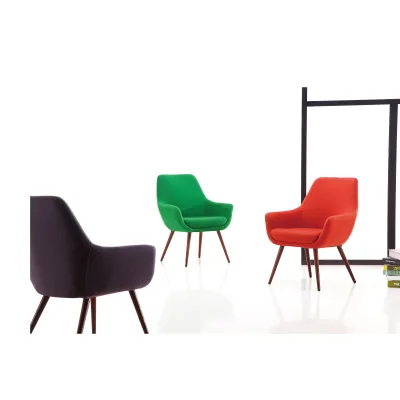
Visual and structural signals in product listings often reveal the chair's configuration, such as the presence or absence of armrests and the specific shape of the seat. Observed attributes include square, round, and upholstered shapes, with color options ranging from brown and grey to green. It is essential to confirm whether the product is delivered in a flat package with a wood crate or in standard cartons, as this affects shipping costs and on-site assembly requirements for the procurement team.
Technical Specifications to Verify
Dimensional accuracy is paramount when selecting modern oval dining chairs, as variations in depth, width, and height can disrupt the visual harmony of a dining set. Buyers should request detailed specification sheets for models like the HC67 or T833, noting that standard dimensions can vary significantly between manufacturers. Verification of the product standard, such as specific cubic meter volumes or weight limits per unit, ensures that the chairs will fit within the intended spatial constraints and logistical parameters.
Material composition and construction methods directly influence the longevity and comfort of the seating. The observed data indicates a mix of metal frames and fabric upholstery, with some models featuring rotary mechanisms for enhanced versatility. Procurement specialists must confirm the specific material grades and the type of fabric used, ensuring they meet the durability requirements for the intended application. Additionally, checking the packing standard, such as 1PC/CTN or 4PCS/CTN, helps in calculating the total volume and weight for freight planning.
Compliance and Safety Documentation
While specific certification statuses like ISO 27001 are noted in background data, buyers must explicitly request current safety and quality certificates relevant to furniture manufacturing. Compliance with international safety standards for dining chairs is non-negotiable, particularly for commercial projects in hotels and banquet venues where liability risks are higher. Sourcing teams should verify that the supplier can provide test reports for structural stability, flame retardancy, and material toxicity to ensure the products meet local regulatory requirements.
Documentation regarding the manufacturing process and material sourcing is equally critical for maintaining brand integrity and supply chain transparency. Buyers should ask for proof of origin and details on the production facility's quality control protocols to mitigate the risk of receiving substandard goods. Ensuring that the supplier adheres to recognized industry practices helps in establishing a reliable partnership and reduces the likelihood of disputes arising from product failures or non-compliance with safety regulations.
Cost Drivers and Commercial Terms
Pricing for modern oval dining chairs is highly variable and often tied directly to the order quantity, with some suppliers listing prices as "according to the quantity." This structure means that unit costs can fluctuate significantly based on the volume ordered, making it essential for buyers to negotiate tiered pricing structures that reflect their specific procurement needs. Understanding the minimum order quantity (MOQ) requirements, which range from 1 to 200 pieces depending on the model, is crucial for budgeting and inventory planning.
Lead times and payment terms are additional cost drivers that can impact the overall financial viability of a procurement project. The observed delivery windows of 25 to 45 days after receiving a deposit require careful coordination with project schedules to prevent bottlenecks. Buyers should clarify the deposit percentage and the final payment schedule, ensuring that the commercial terms align with their cash flow management strategies and that the supplier has a clear track record of meeting delivery deadlines.
Supplier Qualification and Quality Control
Selecting a manufacturer with a proven track record in producing modern dining furniture is essential for ensuring consistent quality and reliability. The data indicates that many suppliers operate as direct manufacturers in Foshan, offering a competitive advantage in terms of pricing and customization capabilities. Buyers should verify the supplier's business type and production capacity to ensure they can handle the required order volume without compromising on quality or delivery schedules.
Quality control processes must be rigorously defined and agreed upon before production begins to prevent defects and ensure product consistency. Buyers should establish clear acceptance criteria for materials, finishes, and assembly, and consider requesting pre-shipment inspections for large orders. Implementing a robust quality assurance protocol helps in identifying potential issues early, reducing the risk of returns and ensuring that the final delivered products meet the specified standards and expectations.
Long-Term Procurement Checks
Building a sustainable supply chain for modern oval dining chairs requires ongoing monitoring of supplier performance and product consistency over time. Buyers should establish regular review cycles to assess the supplier's ability to maintain quality standards, meet delivery deadlines, and adapt to changing market demands. This proactive approach helps in identifying potential risks early and fosters a collaborative relationship that supports long-term procurement goals and operational efficiency.
Continuous evaluation of product specifications and market trends is necessary to ensure that the sourced chairs remain relevant and competitive. Buyers should stay informed about new materials, design innovations, and regulatory changes that could impact their procurement strategy. By maintaining a flexible and responsive approach to sourcing, organizations can adapt to evolving customer preferences and market conditions, ensuring a steady supply of high-quality modern oval dining chairs for their projects.
FAQs
Can modern oval dining chairs be customized for hotel use?
Yes, customization is available for these chairs to suit specific hotel or banquet requirements. Buyers can select from various materials including metal and fabric, and choose styles such as modern designs. The production lead time typically ranges from 30 to 45 days after receiving the deposit, allowing ample time for tailored manufacturing processes.
What is the typical MOQ for ordering modern oval dining chairs?
The minimum order quantity varies by supplier, generally ranging from 1 to 200 pieces. Some manufacturers require a minimum of 100 pieces per color, while others may accept orders as low as a single unit. Buyers should verify the specific MOQ with the supplier before placing an order to ensure it aligns with their procurement volume.
How are modern oval dining chairs packaged for shipping?
Packaging methods depend on the specific model and supplier. Common options include flat packages with wood crates for bulk shipments or individual cartons for smaller orders. Standard packaging dimensions and weights vary, with some models packed four pieces per carton. Buyers should confirm the exact packing details to calculate shipping costs and storage requirements accurately.
What materials are used in modern oval dining chairs?
These chairs are commonly constructed using metal frames combined with fabric upholstery. The metal provides structural durability, while the fabric offers comfort and aesthetic appeal. Some models may feature different finishes or colors, such as grey or green, allowing buyers to match their interior design themes. The combination ensures a modern look suitable for dining rooms or hotels.
What is the lead time for manufacturing modern oval dining chairs?
The production lead time typically ranges from 25 to 45 days, depending on the supplier and order complexity. Most manufacturers require a deposit before starting production, with delivery scheduled after this payment is received. Buyers should plan their procurement timeline accordingly to ensure timely delivery for hotel openings or home renovations.
Where are modern oval dining chairs typically manufactured?
These chairs are often manufactured in Foshan, China, a major hub for furniture production. The origin indicates access to established supply chains and manufacturing expertise. Buyers sourcing from this region can benefit from competitive pricing and a wide variety of design options. It is advisable to verify the specific origin with the supplier to confirm manufacturing capabilities.